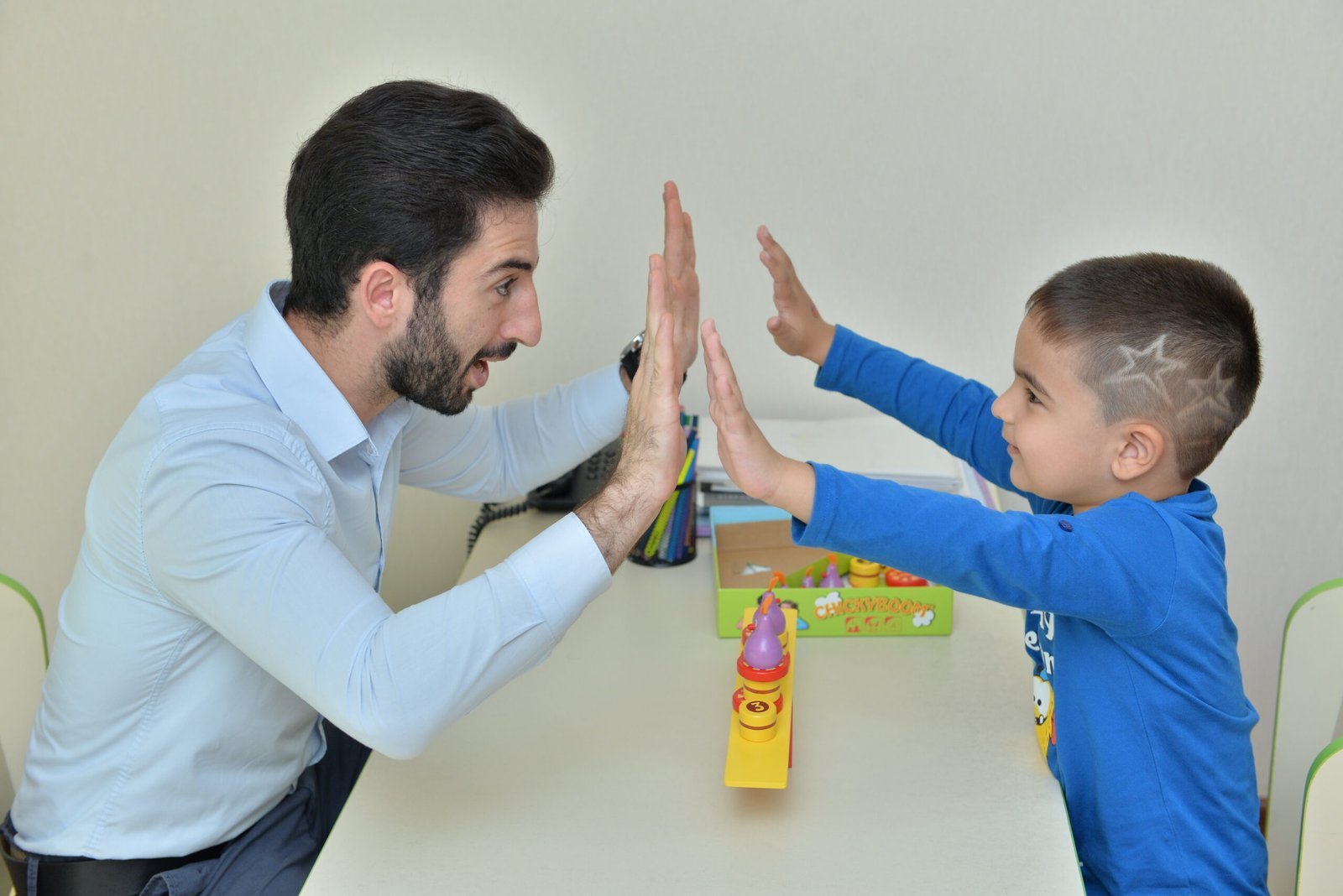
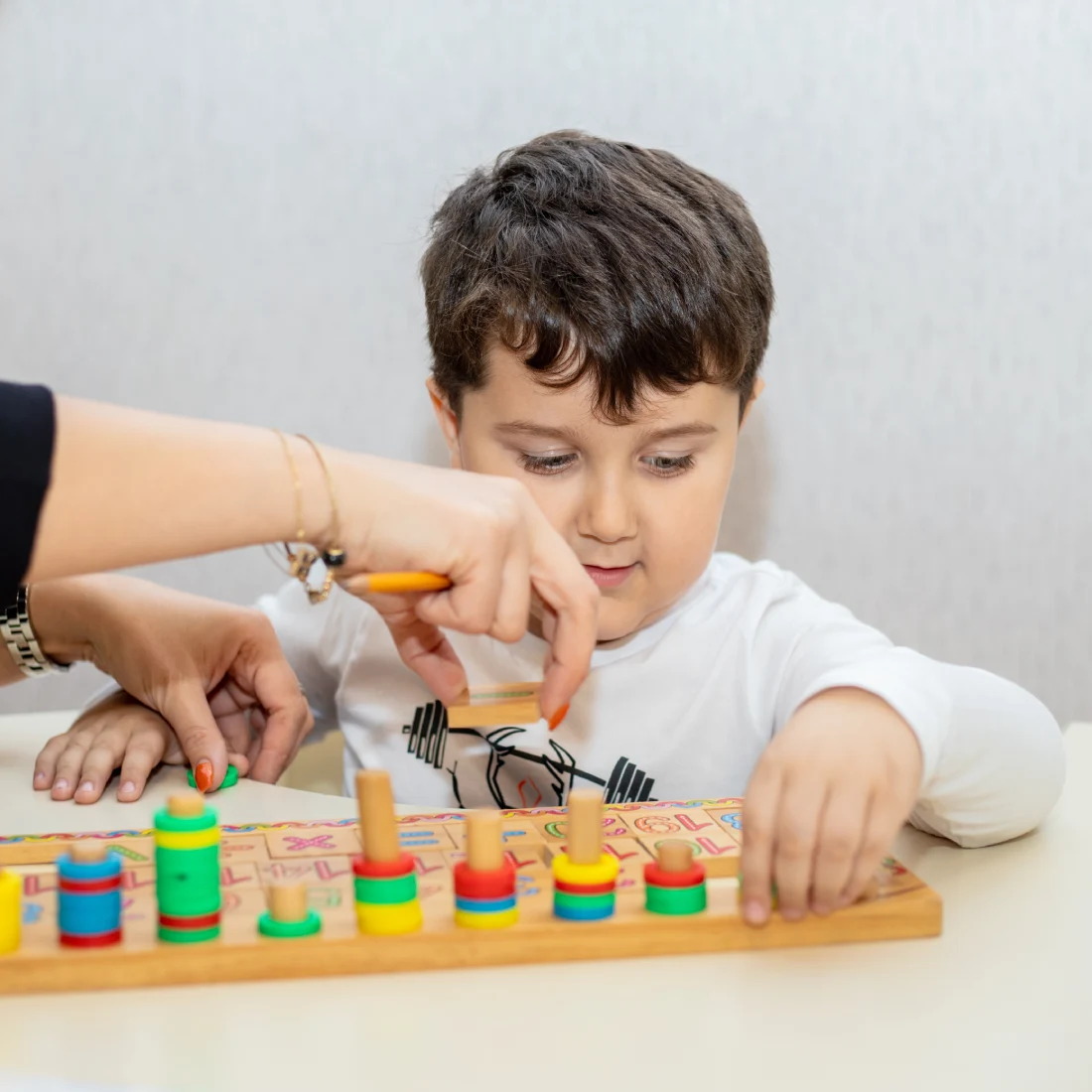
Sensory integration is about receiving sensory information from our body and environment, interpreting it, and creating appropriate behavioral responses.
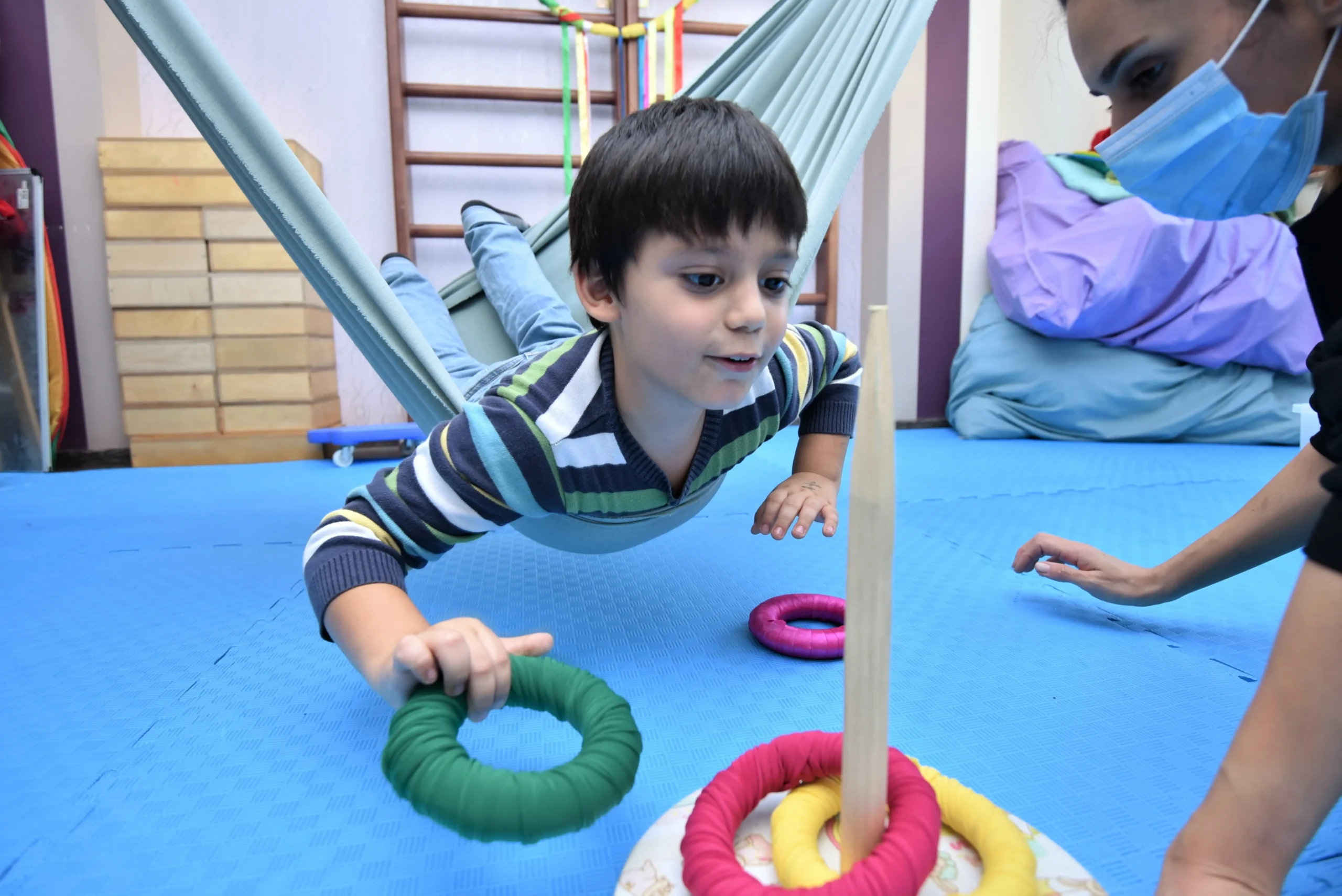

Sensory integration is the brain's ability to process touch, movement, gravity, vision, hearing, taste, and smell information. When this process works abnormally, behavioral, learning, and attention problems arise in children.
LOQOS SI therapists determine each child's sensory profile based on the Jean Ayres method and normalize the sensory system through play-based sessions.
Therapeutic activities that normalize skin sensitivity to touch.
Corrective work on balance, movement, and body position interpretation.
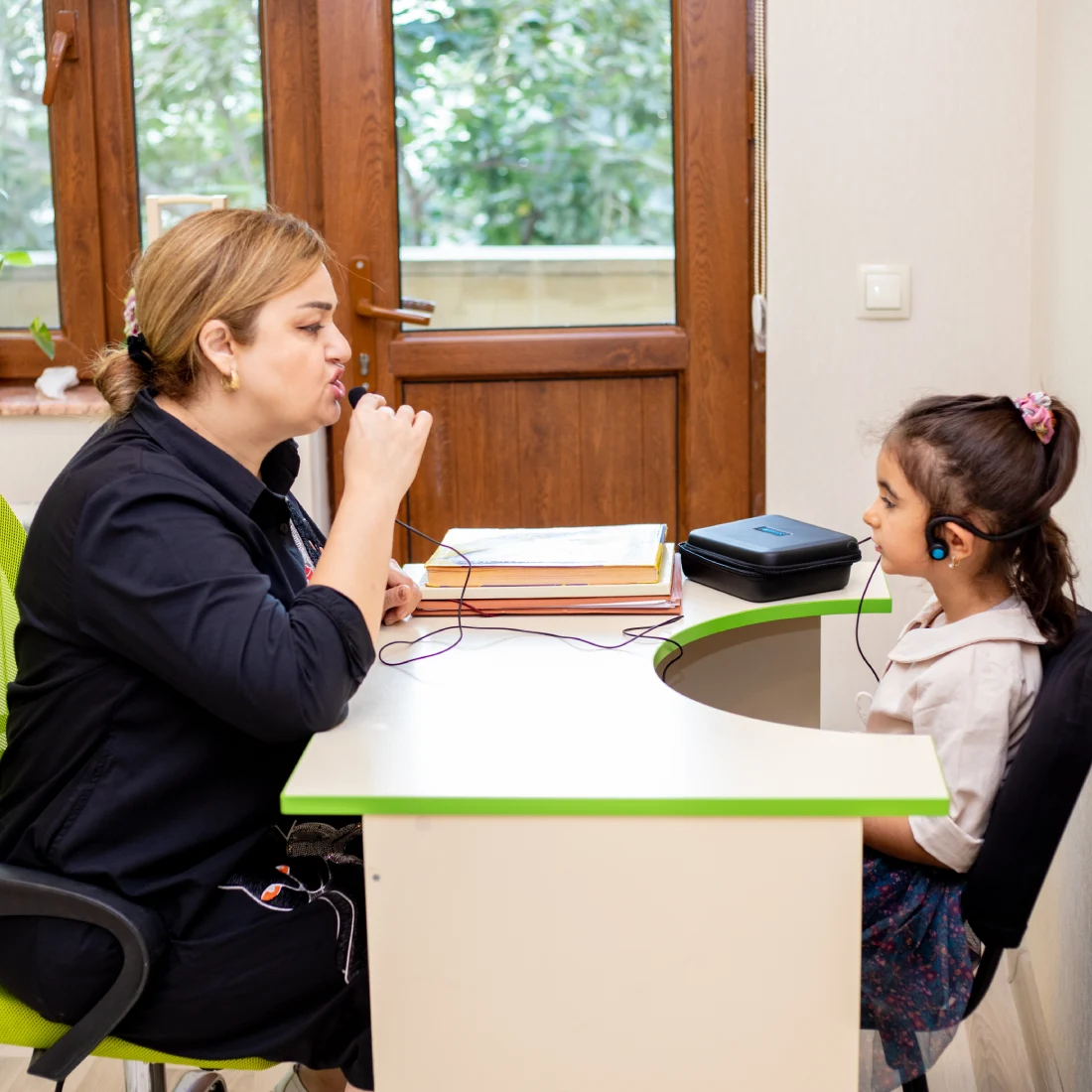
Synchronization of visual and auditory information, strengthening attention.
Sensory diet for parents — therapy continues between sessions.
Children with sensory processing problems can benefit from this therapy.
Children with hyper/hypo sensory sensitivity and sensory seeking.
2–14 yaşChildren who avoid clothing, face washing, and tooth brushing.
1–10 yaşHyperactivity, impulsivity, inability to sit still.
4–14 yaşChildren who only accept food with certain textures.
2–10 yaşConstant jumping, seeking heights.
3–12 yaşDifficulty sitting, maintaining attention, and completing tasks.
5–14 yaşA sensory profile is prepared through standardized questionnaires and clinical observation.
Priorities are set together with the parent — which daily activities take precedence.
Structured play sessions with various sensory equipment in the therapy room.
Parents are taught home programs, sensory diets, and strategic methods.
If these signs are present, sensory assessment is recommended:
Strongly avoiding touch and handshakes
Complaining about clothing tags and seams
Only accepting food with certain textures
Avoiding noisy places and crowded environments
Excessive movement seeking — constant fidgeting, jumping
Balance problems — fear of stairs, fear of swings
Resisting tooth brushing and hair combing
Refusing to wear shoes, inability to tolerate socks
Sensory processing problems are not 'bad behavior' — it's the brain processing information differently. It normalizes with therapy.

A multidisciplinary team of certified and experienced specialists.

Jean Ayres SI certification. 8 years in pediatric occupational therapy.

Sensory integration, vestibular-proprioceptive, visual-motor therapy.

Feeding therapy, touch sensitivity, home sensory programs.
Data collected based on 11 years of clinical experience.
Real families' experiences with LOQOS.
"My son suffered terribly from clothing tags. After SI therapy, he dresses and undresses by himself."

"My daughter only ate flatbread. After 5 months of therapy, she eats 15+ different foods."

"My son couldn't sit still in school. After vestibular sessions, he can sit and study for 45 minutes."

Contact us for a free initial sensory assessment.