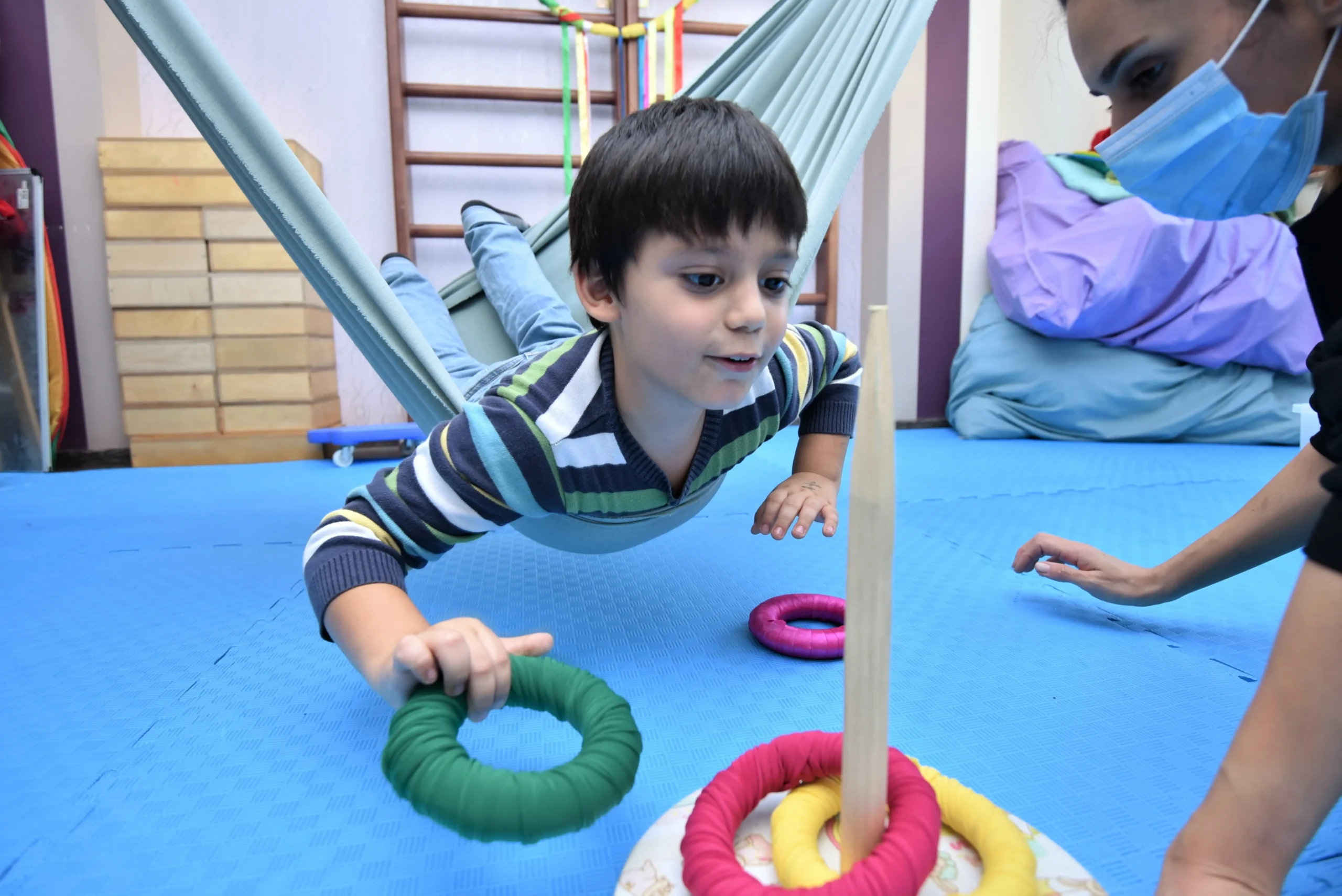
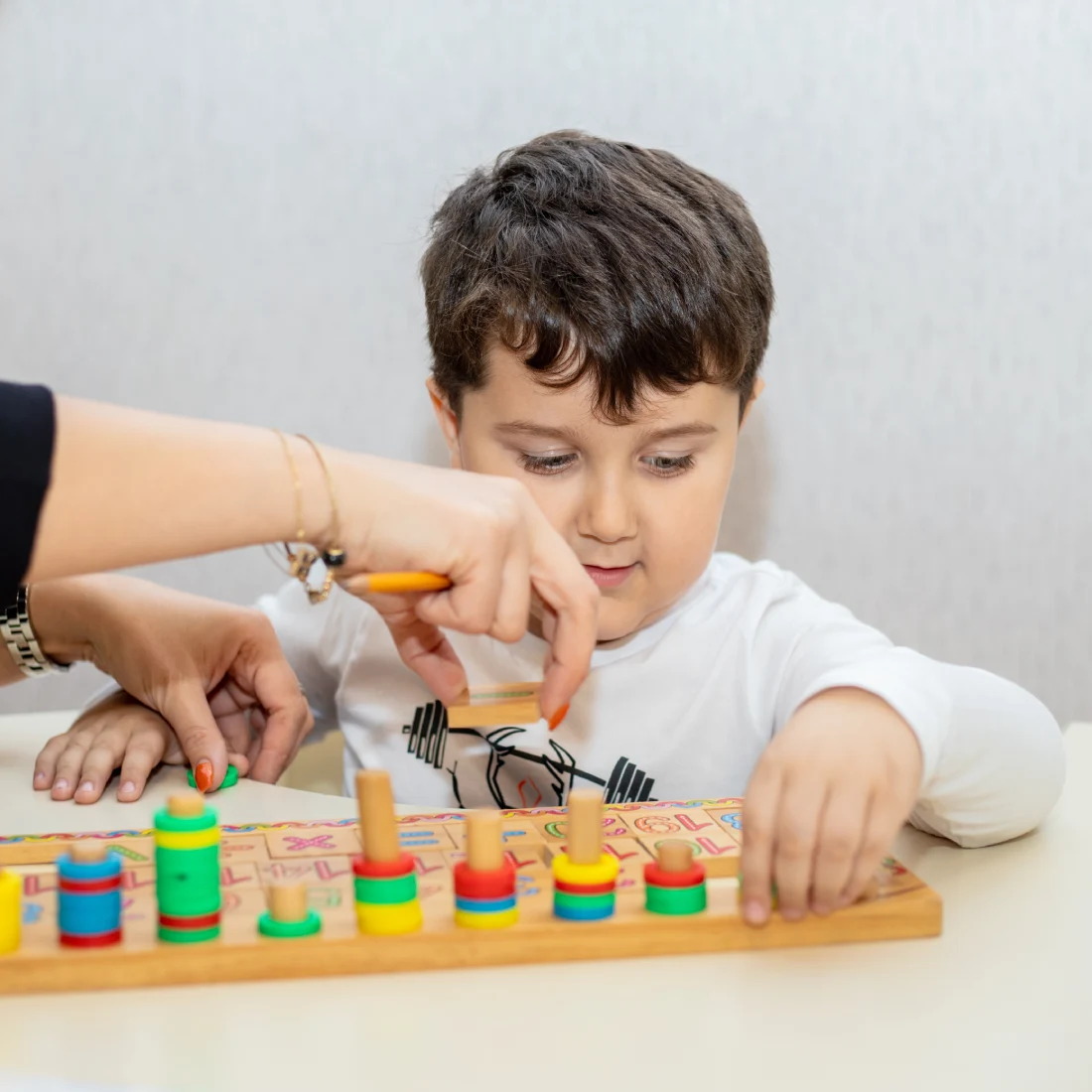
Occupational therapy is a client-centered field that helps children with physical, psychological, and cognitive challenges carry out daily activities independently.
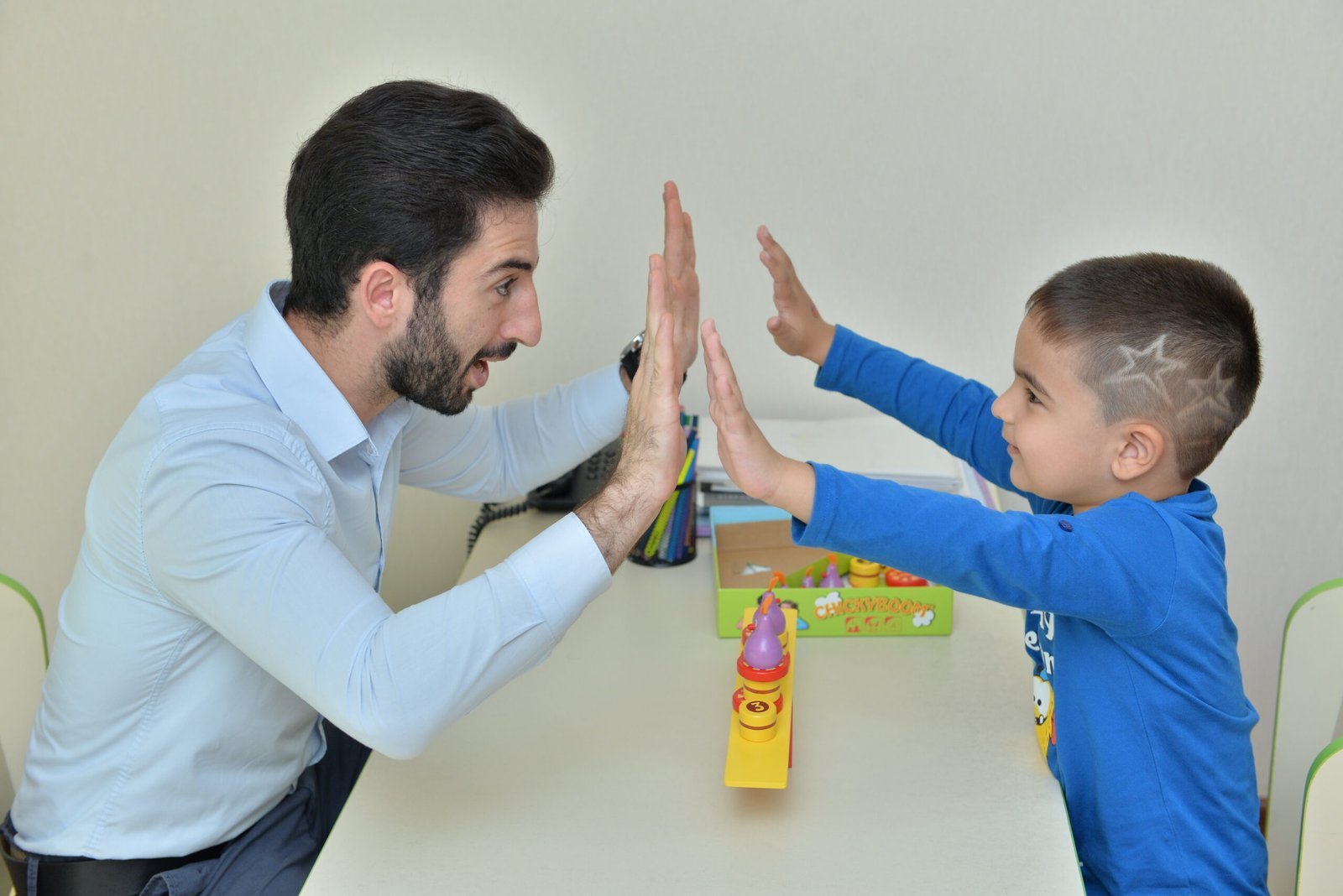

Occupational Therapy is a health field that develops sensorimotor skills so people can independently perform daily activities — eating, dressing, playing, reading.
LOQOS occupational therapists prepare an individual treatment plan for each child covering daily-life activities, play skills, school readiness, and sensory integration.
Fine motor skills: writing, buttoning, using scissors.
Strengthening walking, balance, jumping, and ball-catching skills.
Teaching self-care, dressing, eating, and hygiene skills.
Classroom skills: holding a pen, cutting, gluing, maintaining attention.
For these diagnoses occupational therapy is an effective method of intervention.
Sensory needs, daily routines, motor deficits.
2–14 yearsWork on movement, coordination, and hand functions.
1–16 yearsAttention, impulse control, ability to sit at a desk.
4–14 yearsLag in age-appropriate motor and self-care skills.
1–10 yearsRecovery after physical trauma, fracture, or surgery.
All agesDifficulty with writing, cutting, completing classroom tasks.
5–14 yearsComprehensive assessment of motor, sensory, ADL, and play skills.
Parent and therapist together set realistic, measurable goals.
Play-based sessions working on motor skills, sensory integration, and ADL.
Parents are taught home exercises — therapy continues between sessions.
If you notice these signs in your child, see our occupational therapist:
Serious difficulty using pens, scissors, or forks
Can’t button clothes or tie shoes
Extreme sensitivity to touch, noise, or light
Can’t sit still, can’t maintain attention
Only accepts foods of a certain texture
Motor development lag compared to peers
Tight grip while writing, hand fatigue
Balance issues, frequent falls
Motor skills develop faster at an early age. Delaying intervention means a longer treatment period.

A multidisciplinary team of certified, experienced specialists.

Sensory integration certificate. 7 years in pediatric OT.

Works on ADL, handwriting therapy, school readiness.

9 years with cerebral palsy, autism, developmental delays.
Data collected over 11 years of clinical practice.
Real families’ experience at LOQOS.
“My son couldn’t hold a pen correctly. After 4 months of OT he became the neatest writer in his class.”

“Bobath massage was a must for my daughter with CP. The specialists here are both professional and kind.”

“My son was very sensitive to touch and wouldn’t wear clothes. Sensory sessions resolved the issue.”

Let’s uncover your child’s potential together. Call us for a free initial assessment.