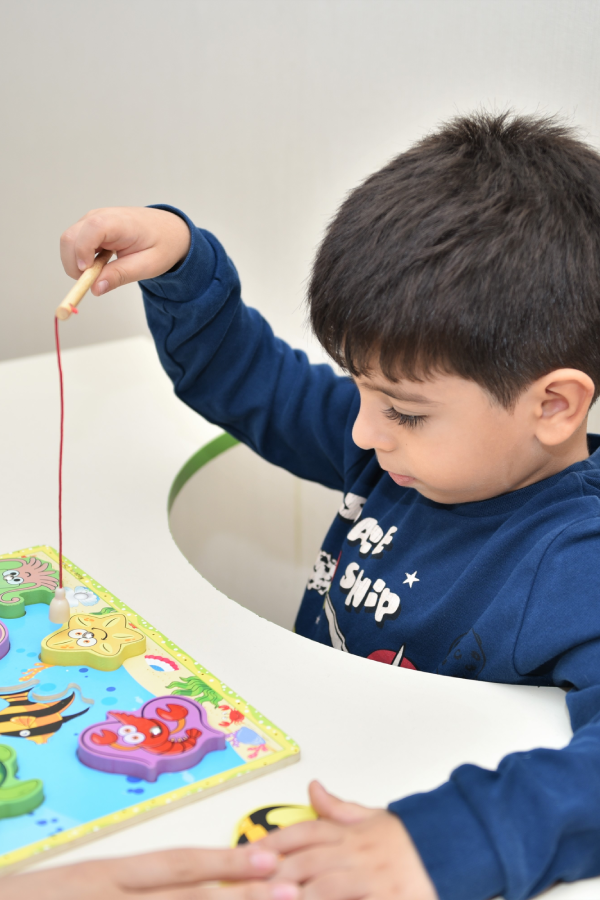
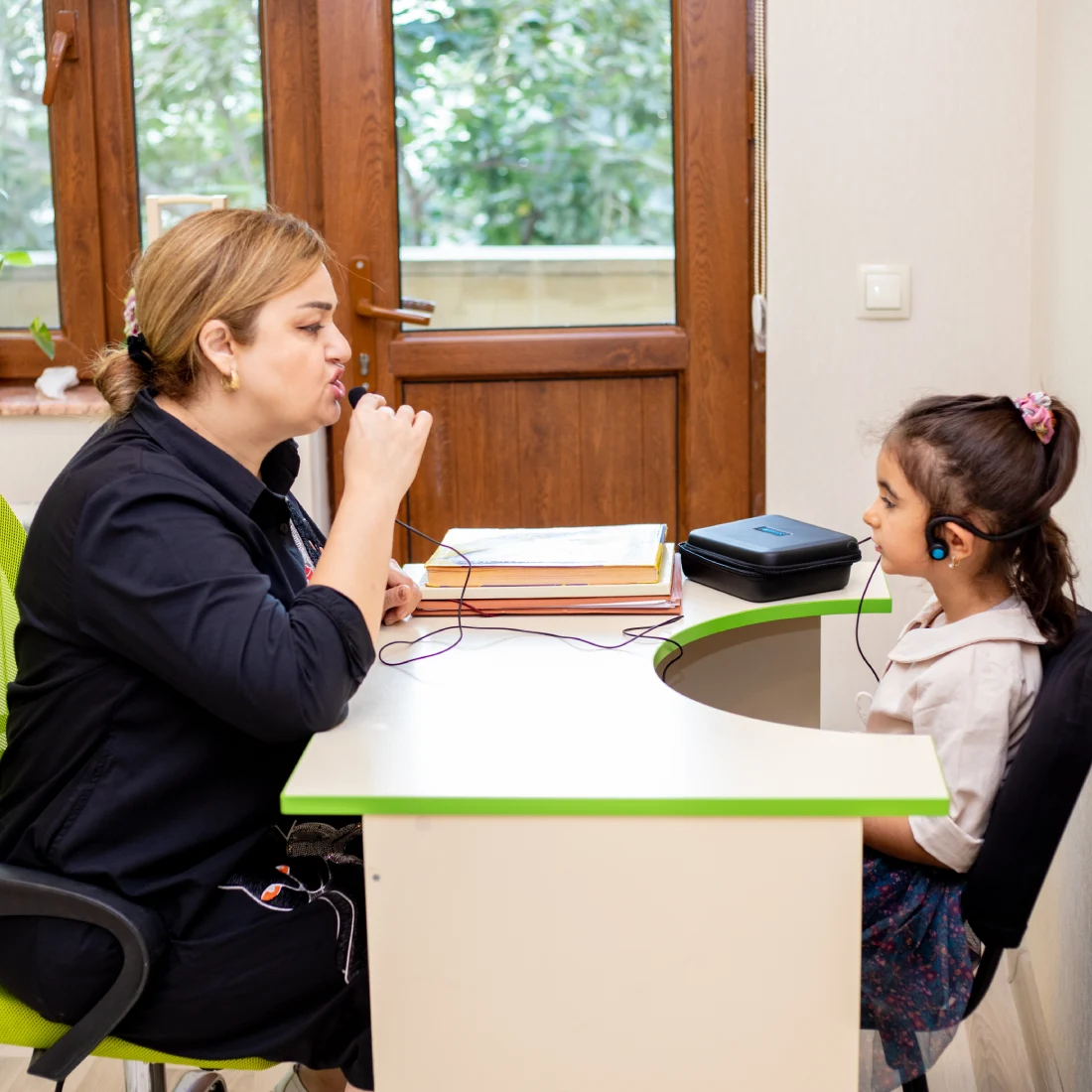
Psycho-pedagogical support is a specialized field that combines psychology with learning methodology. For difficulties such as dyslexia, dysgraphia, and ADHD, evidence-based methods are applied.
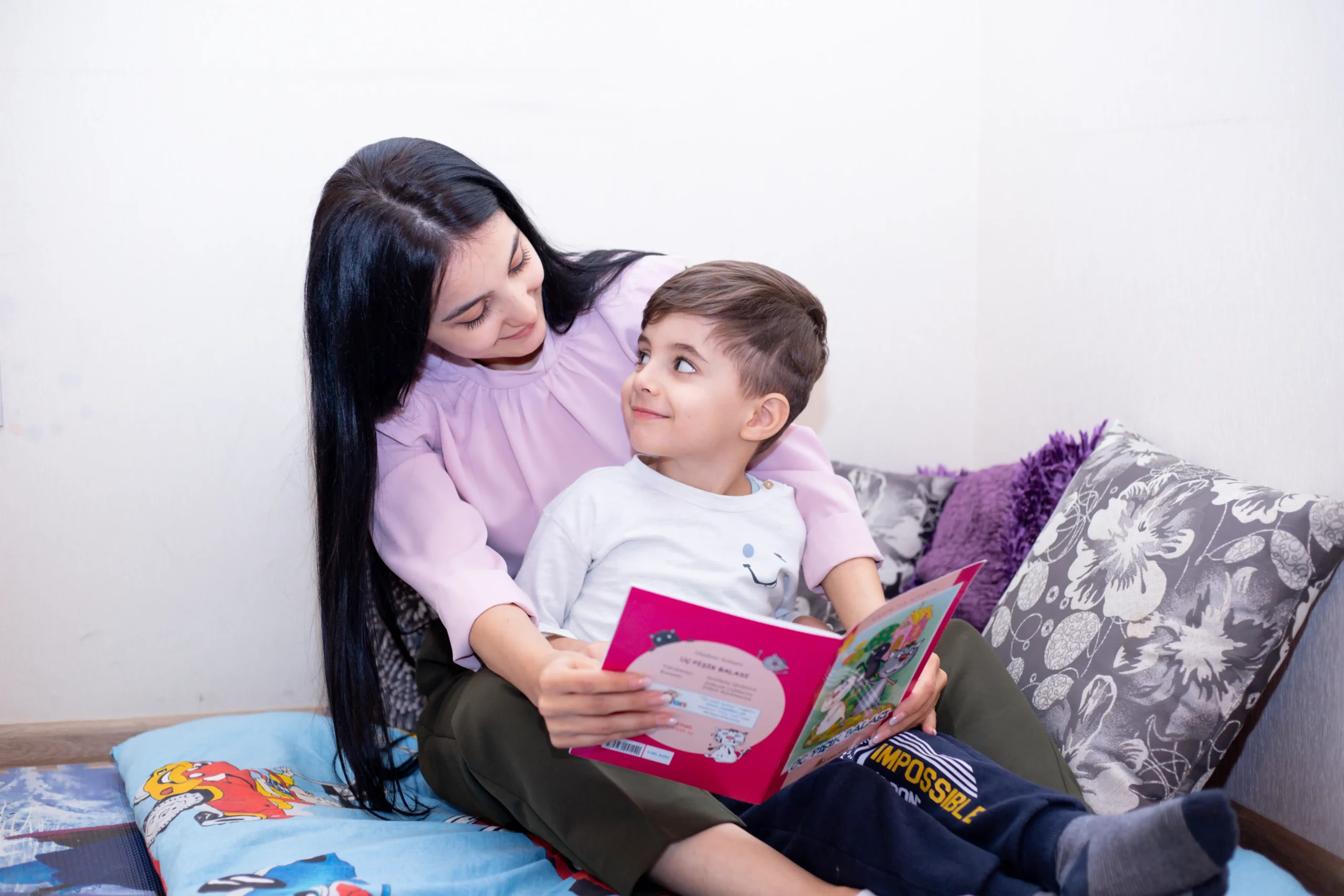

Psycho-pedagogical support is a specialized field of intervention that identifies a child’s learning profile, style, and gaps and builds an individual support plan.
LOQOS psycho-pedagogues specialize in learning difficulties such as dyslexia, dysgraphia, dyscalculia, ADHD. Evidence-based methodologies are applied to unlock the child’s potential.
Orton-Gillingham-based reading and writing intervention.
Work on letter formation, spacing, speed, and legibility.
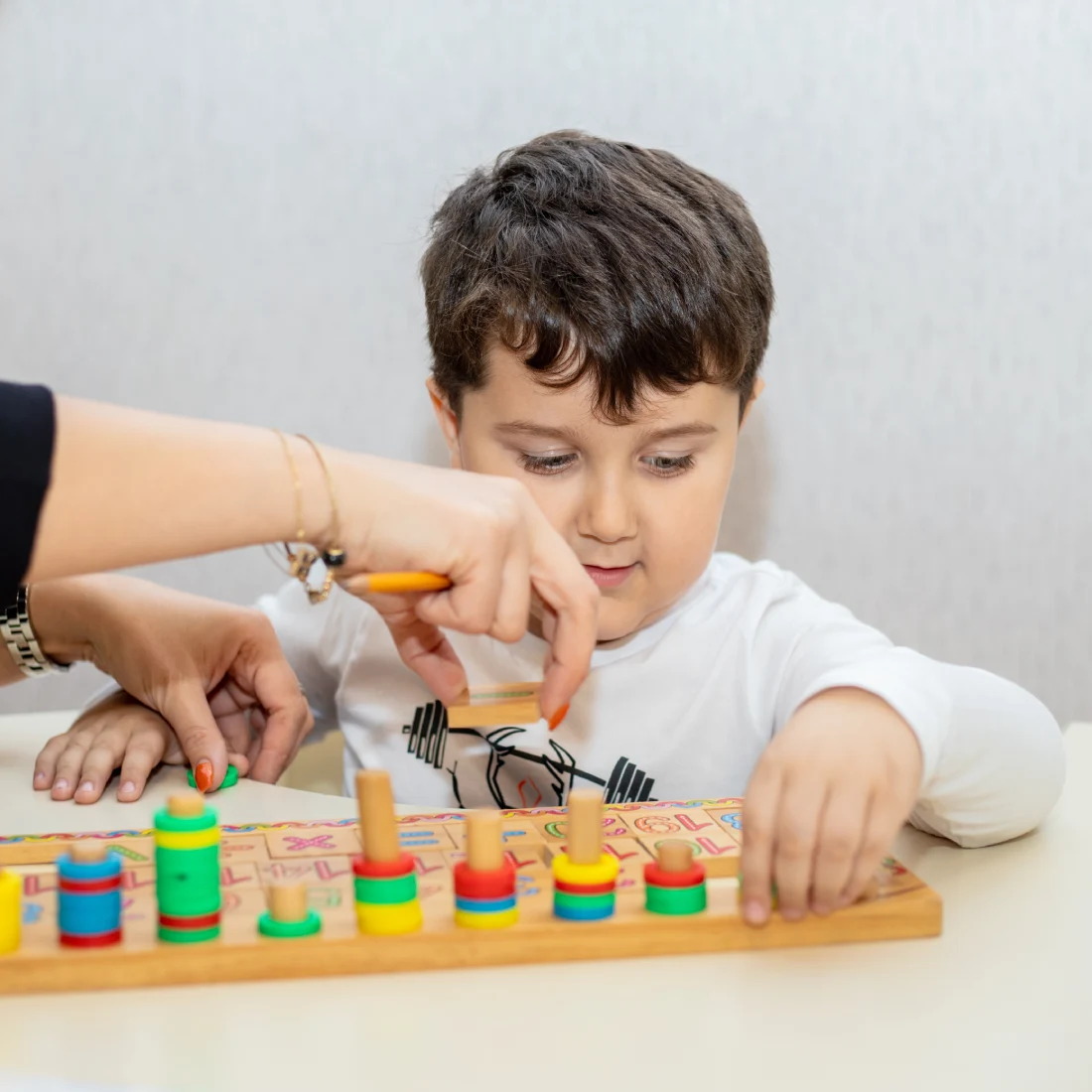
Manipulative-based instruction for dyscalculia.
Attention management, task planning, organizational skills.
Children with these difficulties can benefit from this program.
Serious reading difficulty, mixing up letters, slow reading.
6–16 yearsDifficulty writing, skipping letters, illegible handwriting.
6–14 yearsSerious difficulty with arithmetic and understanding numbers.
6–14 yearsDifficulty focusing, incomplete tasks, impulsivity.
5–16 years“I can’t” belief, loss of interest in school, learned helplessness.
7–16 yearsAdapting to a new school, a new teacher, and a new curriculum.
6–14 yearsStandardized assessment of reading, writing, math, and attention.
Strengths, learning style, and gaps are identified.
A personal intervention plan is prepared for the specific gaps.
Evaluation every 2 months, parent meeting, coordination with the school.
If you see these signs, a psycho-pedagogical assessment is recommended:
Mixes up letters and word order when reading
Handwriting is far too illegible for their age
Can’t remember simple arithmetic, mixes up numbers
Homework takes two hours to finish
Often can’t finish classroom tasks
Says “I can’t” at school, puts themselves down
Strongly dislikes reading and writing
Understands the parent’s explanation but can’t write on the board
Learning difficulties are not an intelligence problem — the brain processes information differently. With the right method, all challenges can be overcome.

A multidisciplinary team of certified, experienced specialists.
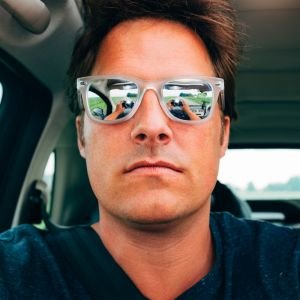
Orton-Gillingham certified. Dyslexia, dysgraphia, dyscalculia.
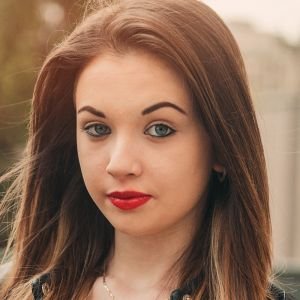
7 years with ADHD, school adaptation, learning strategies.

Work on motivation, self-efficacy, and academic stress.
Data collected over 11 years of clinical practice.
Real families’ experience at LOQOS.
“My son was mixing up letters in 2nd grade. In 6 months he became one of the best readers in the class.”

“My daughter has ADHD — homework was always a problem. Learning strategies changed our life.”

“My son, diagnosed with dyscalculia, now gets 90 in math. It was hard to believe.”

Contact us for a free initial academic assessment.